




















How to Choose a Descaler for Coffee Machine
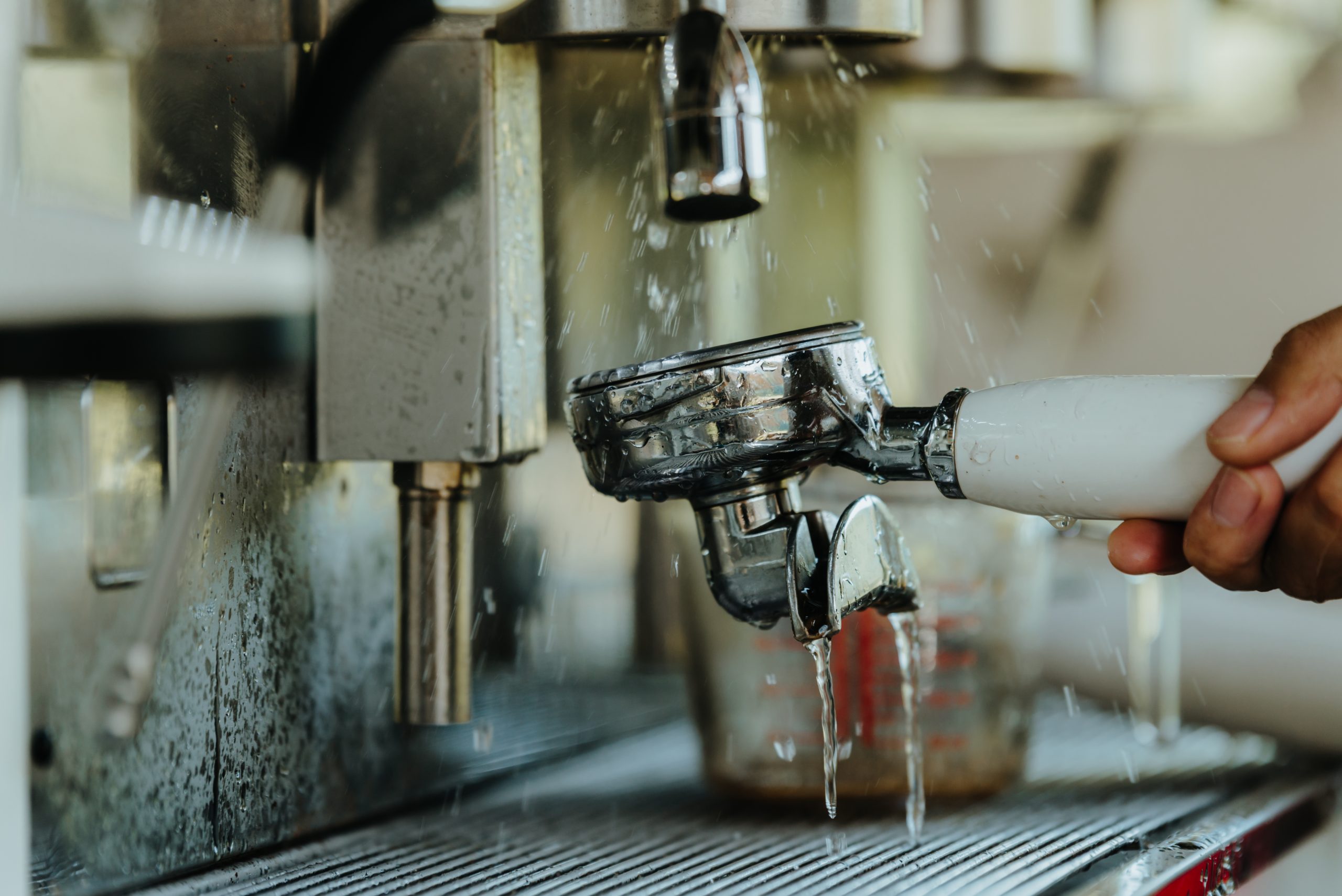
If you own a home espresso machine or a bean-to-cup system, one of the most overlooked yet absolutely critical, maintenance tasks is descaling. In the UK, where water hardness varies widely, failing to descale regularly can degrade your machine’s performance, damage internal components, and ruin the taste of your coffee.
This guide helps you understand What is a Coffee Machine Descaler, Why it is Important to Descale your Coffee Machine, how often to do it, and which format is right for your machine type.
What Is a Coffee Machine Descaler?
A coffee machine descaler is a cleaning solution specifically designed to remove limescale which is the hard mineral build-up (mainly calcium and magnesium) that accumulates inside espresso machines, kettles, and boilers due to regular water use. Unlike household cleaners, descalers are formulated to be machine-safe, non-toxic, and effective against scale without damaging sensitive components.
Descalers come in various forms:
- Liquid descalers: Ideal for manual espresso machines.
- Powdered descalers: Usually stronger, suitable for professional or heavy-use machines.
- Descaling tablets : Convenient for bean-to-cup and automatic machines with programmed cycles.
The right descaler maintains water flow, temperature stability, and optimal coffee flavour, all while extending your machine’s lifespan. Always check your machine’s manual before choosing a product, as certain boiler materials (e.g. aluminium) require gentler solutions.
Why Descaling Is Important For Your Coffee Machine
To understand this, you have to understand few things to clarify why do you actually need a descaler to clean you coffee machine.
What is limescale and mineral build-up?
When water flows through your machine, minerals like calcium and magnesium don’t disappear, rather, they cling to internal surfaces and form limescale. This build-up clogs pipes, reduces boiler efficiency, and affects brew temperature.
How hard water in UK regions affects machines
Many areas in the UK (London, Kent, Essex, Birmingham) suffer from hard water, which contains higher mineral content. The harder your water, the faster scale builds up, even if you’re using a filter jug.
Impact on taste, machine performance & lifespan
Limescale affects heating performance, resulting in inconsistent brew temperatures, weaker steam pressure, and off-tasting espresso. Long-term build-up can lead to pump strain, blocked valves, and early component failure.
Types of Descaler: Liquid, Powder & Tablets
|
Format |
Typical Use Case |
Pros |
Cons |
| Liquid | Manual espresso or kettle descaling | Easy to use, widely available | Needs measuring, can spill |
| Powder | Enthusiast or commercial machines | High-strength, flexible dosage | May require dissolving time |
| Tablet | Bean-to-cup and auto-clean machines | Pre-measured, minimal effort | Higher cost per use |
Which Descaler is right for you?
- Home espresso machines: Liquid is common, but powder gives flexibility.
- Bean-to-cup: Tablets are usually required due to built-in cleaning cycles.
- Commercial machines: Use strong powder descalers and scheduled service routines.
How Often Should You Descale Your Machine?
What affects frequency?
- Water hardness (harder = more frequent)
- Daily usage (more drinks = more scale)
- Machine design (single boiler vs dual boiler vs automatic)
UK-based descaling frequency guide:
- Hard water areas (e.g. London): every 4–6 weeks
- Moderate water zones: every 2–3 months
- Soft water zones (e.g. Scotland): every 4–6 months
Tip: Use test strips or a digital TDS meter to check water hardness.
Choosing the Right Descaler for Your Machine Type
Home espresso machines
- Avoid harsh descalers unless confirmed safe by your manual.
- Look for food-safe, non-corrosive solutions suitable for brass or stainless boilers.
Bean-to-cup machines
- Follow the manufacturer’s prompts for descaling cycles.
- Tablets are typically used and must be compatible with your brand/model.
Commercial machines
- Use powerful descaling agents during scheduled service shutdowns.
- Always flush thoroughly and follow health & safety protocols.
Safe Descaling Best Practices
Descaling your coffee machine isn’t just about pouring in a solution and pressing a button, doing it improperly can damage your machine or leave behind chemical residue that affects taste and safety. Follow these essential safety and performance tips to ensure a smooth and effective descaling process:
1. Unplug and Allow the Machine to Cool
Before starting any maintenance work, always unplug your coffee machine to avoid electrical hazards. Let it cool down fully, especially if it has just been used to prevent burns from steam or hot metal components.
Safety Tip: Many internal parts, such as boilers and group heads, retain heat even after switching off. Wait at least 30 minutes before handling.
2. Pre-Mix the Descaler as Instructed
Whether you’re using a liquid, powder, or tablet-based descaler, follow the dilution or mixing instructions precisely. Most products require mixing with a specific volume of water (often warm) to activate properly.
-
Undiluted solutions can damage seals or strip metal.
-
Weak solutions may not dissolve limescale effectively.
Use a measuring jug or cup to ensure accuracy.
3. Run the Descaling Cycle
Follow your machine’s descaling process exactly.
For manual machines, this usually involves:
-
Filling the water tank with the descaling solution.
-
Running the solution through the brew group, hot water outlet, and steam wand in stages.
-
Allowing it to sit inside the boiler or internal pipes for 10–30 minutes (as specified).
-
Repeating the cycle until the tank is empty.
Automatic or bean-to-cup machines will typically prompt you with each stage of the process.
Tip: Run the solution through all possible outputs and don’t forget steam wands or hot water taps, where scale builds quickly.
4. Rinse Thoroughly Multiple Times
This is the step many users rush or skip, leading to chemical aftertaste or even corrosion over time.
-
After descaling, empty the tank and refill it with clean water.
-
Run at least 2–3 full tanks of clean water through all outputs.
-
Ensure no chemical smell or taste remains before brewing your next coffee.
5. Inspect and Replace Filters, Gaskets, or Seals if Needed
After descaling, it’s a good idea to check common wear parts that can deteriorate with time and mineral exposure:
-
Water filters (in-tank or in-line) should be replaced every few months or after 1,000 litres.
-
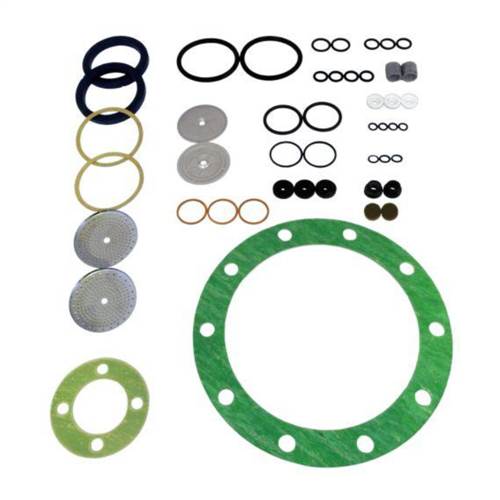
Group head gaskets may harden or crack, especially in older machines.
-
Shower screens and dispersion plates can be clogged with scale or oils.
These parts are often inexpensive and available in service kits (see: /collections/full-service-kits).
Regularly replacing worn seals and filters supports better pressure, heat retention, and clean-tasting espresso.
Common Questions Answered
Can I use vinegar as a descaler?
No, vinegar is acidic but lacks the scale-breaking compounds of proper descalers and can damage seals, rubber parts, and taste.
What happens if I don’t descale?
Your machine will overheat, pressure will drop, taste will degrade, and parts like solenoids and boilers will wear prematurely.
Do water filters eliminate the need to descale?
Not completely. Filters reduce scale but don’t eliminate it. Descaling is still needed, just less frequently.
Recommended Cleaning Routines & Kits
To simplify maintenance, pair your descaler with:
- Hygiene & Service Kits – Explore all kits here
- Group Head Gasket Kits – Browse gasket replacements
- Coffee Machine Spare Parts – View o-rings, solenoids, pumps
Final Checklist: Choosing the Best Coffee Machine Descaler
- Know your machine’s material (aluminium, brass, stainless)
- Understand your water hardness (test or check postcode)
- Choose the right format (liquid, powder, tablet)
- Follow safety steps and rinse thoroughly
- Schedule reminders (Google Calendar or sticky notes!)
- Use filters and cleaning routines between descales
Have A Look At Our Latest Article Related to the Spare Parts: Espresso Machine Parts: Solenoids, Pumps, Boilers and More
Keep Your Coffee Machine Performing Like Day One
Your machine is only as good as your maintenance routine. Descaling might not be the most glamorous part of coffee-making, but it’s the difference between café-quality and costly repairs.